


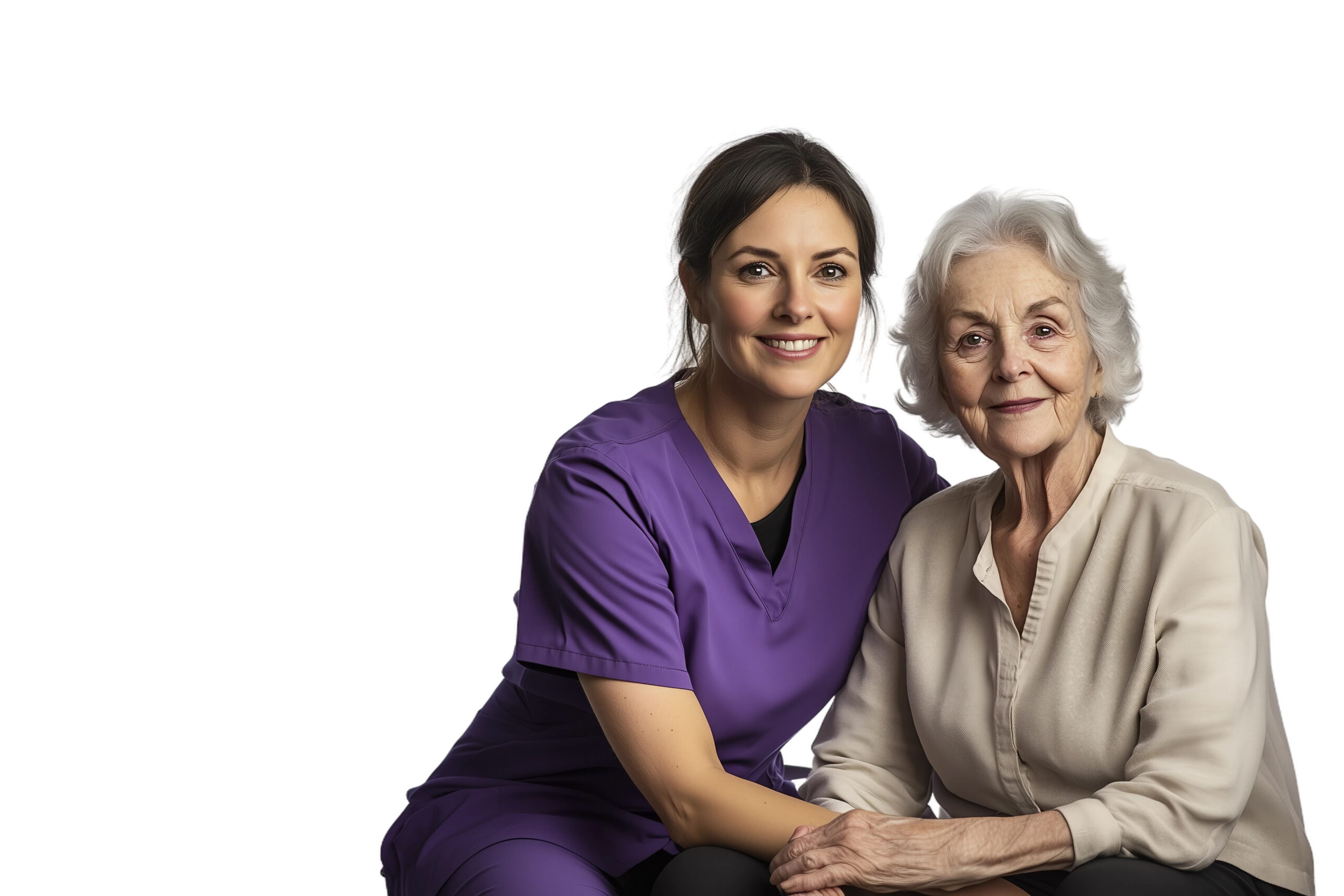
India is at the threshold of a demographic transition promising to change its social and economic landscape. The ranks of the elderly are growing fast, with questions like how society supports its seniors. In that regard, elderly care in India is slowly transitioning from a private, family-driven duty into a critical public and business opportunity; hence, there is a call for formal services that address an aging population, including assisted living, home care, and senior-friendly communities.
Why elder care is gaining urgency
The ratio of Indians aged 60-plus will increase over the coming decades. Both because people are living longer and also due to a declining total fertility rate, this population segment, considered elderly demographers refer to it as a “silver tsunami,” is ballooning. It is happening along with other societal changes: the younger generations migrate for job opportunities to towns and cities, and with living in nuclear families more common, the aging parents are left more and more without local support.
Taken together, these demographic and social changes raise the demand for organized elder-care services. Needs satisfied in the past by sporadic attention from the family require organized support today: safe accommodation, medical care, daily living assistance, social companionship, and facilities for long-term care.
What Elder-care services mean in India
The care for the elderly in India is far more developed than just old-age homes. Services that meet the current needs of an aging population include:
- Assisted-living facilities and senior-living communities: these are residences for older adults, providing meals, housekeeping services, recreational activities, and medical support while offering the opportunity to socialize.
- Home care and in-home support services are designed for elderly individuals who, though still capable of living in their own homes, require assistance with activities of daily living such as mobility, personal care, or medical supervision.
- Health support and wellness care also cover the management of chronic diseases, especially among the elderly. This will also involve prevention, routine health checks, and care related to geriatrics.
- It should be an aim to provide emotional and social support that reduces feelings of isolation and loneliness and builds companionship, community, and caring about one’s own mental well-being.
- These services try to preserve dignity, independence, and comfort rather than serving as mere fallback shelters.
The Market Opportunity
This is highly under-penetrated relative to many developed countries and hence offers enormous potential. Demographics and changing family structures are driving demand upwards, making this a growth area with much scope for innovation. Besides, investing in elder care services opens up an avenue for entrepreneurs, caregivers, investors, and social enterprises to create something socially impactful yet economically feasible. Innovations may range from affordable assisted living communities, scalable home care, and telehealth services that meet diverse needs along a wide income spectrum.
Challenges to Overcome
Whereas the potential may be real, there are significant challenges.
- Limited infrastructure and supply: Despite the requirement, there is still a limited number of senior-living homes or assisted-living facilities. In fact, most of the elderly population does not have access to quality services, especially those living in rural or semi-urban areas.
- Affordability: The comprehensive care that includes accommodation, medical care, and nursing support is costly; hence, it becomes unaffordable for the majority of middle- or low-income seniors. There is a shortage of professionals trained in geriatrics. Aged care requires a skilled workforce, medical staff, and trained supporting staff, which so far remains limited.
- Cultural mindset and social acceptance: Most of the families used to do elder-care quite informally within their homes. To turn that into institutional or formal care, one needs to be sensitive to cultural expectations and emotional comfort.
- Rural-urban imbalance: While most services are concentrated in major cities, a large proportion of India’s elderly are living in rural areas with limited access to institutional care, medical facilities, or home-care support.
Why investing in elder care is not just a business; it is a social impact.
Building elder-care services in India means tapping a growing market, but more importantly, bringing dignity, safety, and quality of life to older adults. As the country ages, sustainable, compassionate elder-care models can help turn what many see as a burden into an opportunity: healthier, safer, more respected senior years.
In summary, investors and entrepreneurs who step in now can create, with sensitivity and long-term vision, services that truly respond to basic human needs while at the same time building sustainable, purpose-driven enterprises.
Conclusion
The transformation in the demographics and the social fabric in India calls for a reimagining of elder care. With a shrinking and more mobile family, living longer in old age creates an inevitable need for structured, reliable elder-care services. The investment in services for an aging population-assisted living, home care, wellness, and community support-is not only shrewd business but a moral and social imperative, too.
If you like, MatchValley can help you by leveraging our network and expertise to identify or invest in elder-care projects that match your goals, support due diligence, business plans, and funding, and help build sustainable, senior-living or home-care services in India.


